The Ultimate Guide to Dry-Aged Fish: Montreal's Innovative Seafood Dining Scene in 2026
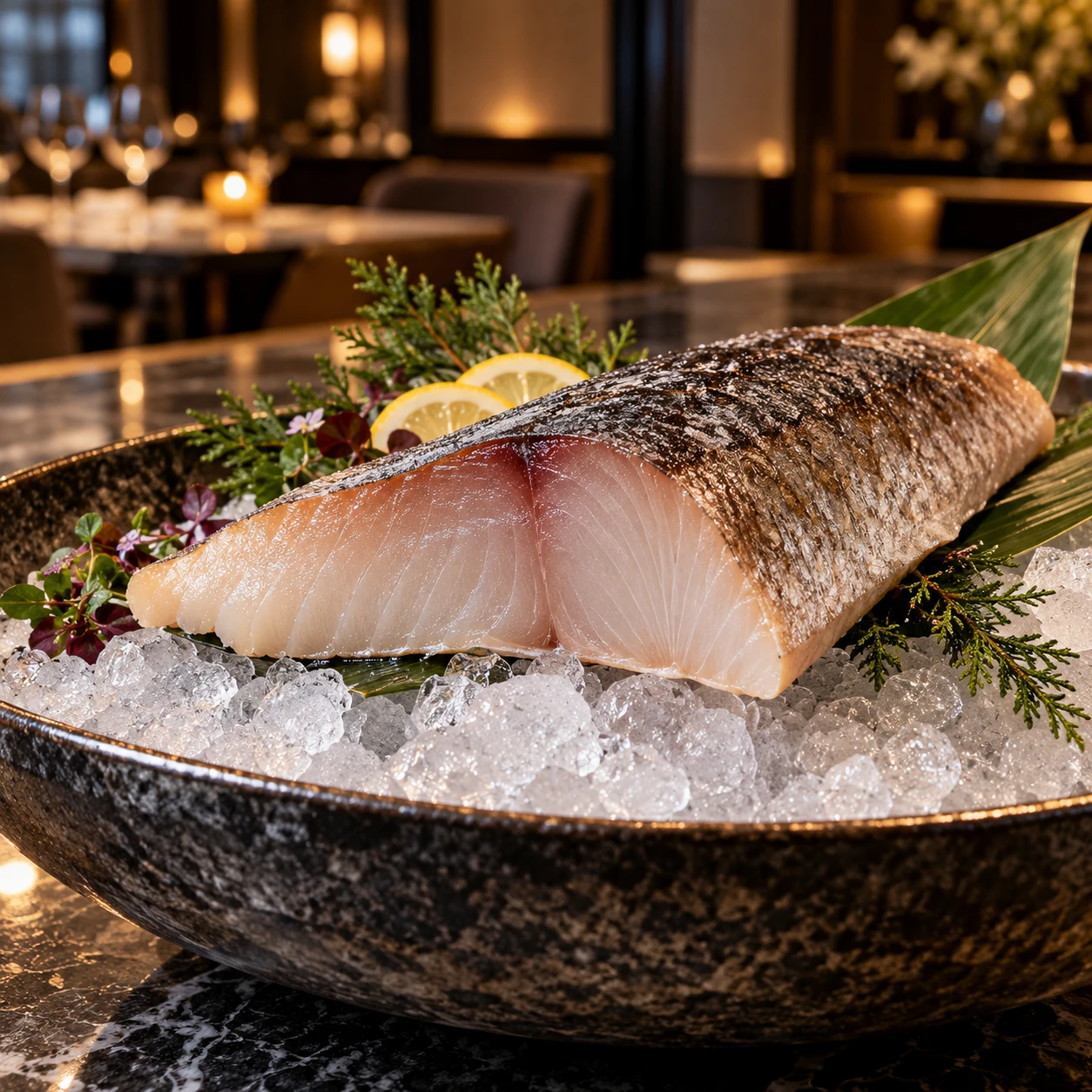
I've been wandering through Montreal's food scene for years now, and 2026 brought something I honestly didn't see coming: dry-aged fish has exploded here. What used to be this niche Japanese technique—something maybe three chefs in the city even attempted—has become a defining thing in Montreal's seafood world. I'm kind of obsessed with seafood (always have been), so I've spent the better part of this year trying to wrap my head around why this method works so well and what makes it worth all the fuss.
Dry-aged fish flips the entire 'catch it fresh, serve it tonight' rulebook on its head. Instead, you're embracing patience. Precision. A willingness to let time do something remarkable to the fish's flavor and texture. If you're curious what this is all about—or if you're skeptical, which I totally get—let me walk you through what I've learned about this technique that's currently taking over Montreal.
What Is Dry-Aged Fish? Understanding This Revolutionary Technique
Most people hear 'dry-aging' and think beef. Sides hanging in cold rooms for weeks. The fish version shares the same philosophy but the execution? Completely different. You're storing whole fish or large cuts in environments where temperature, humidity, and airflow are controlled down to the degree. Days or weeks pass while the fish transforms.
Traditional seafood handling is all about keeping things cold and wet to preserve freshness. Dry-aging does the opposite—it intentionally pulls moisture out while letting natural enzymes do their work. Fish sits at just above freezing (0°C to 3°C usually), humidity hovers around 60-70%. This setup stops spoilage while concentrating flavors and firming up the texture in ways that feel almost impossible until you try it.
The Science Behind Dry-Aging Seafood
The transformation happening inside that aging room is wild when you break it down. Enzymes already present in the fish start breaking down proteins and fats. This creates new flavor compounds—specifically, you get a surge in amino acids like glutamate, which is where that deep umami punch comes from.
While that's happening, water molecules are slowly evaporating from the surface. Flavors concentrate. The fish gets more intense. But here's the trick: you need enough moisture loss to build flavor without turning the fish into jerky. Too little, nothing happens. Too much, you've ruined it. During this whole process, the fish develops this slightly tacky layer on the outside—a pellicle, same as dry-aged beef. That gets trimmed off before you eat it.
How Dry-Aged Fish Differs from Traditional Fresh Seafood
If you've tried both, the difference hits you immediately. Fresh fish is clean. Bright. The texture tends to be tender, sometimes almost delicate. That's what we all grew up eating, what the industry trained us to expect as 'good seafood.'
Dry-aged fish? Completely different animal. The flavor profile gets layered and complex. Deeper, richer, way more savory. There's this subtle nuttiness that wasn't there before, plus an intensified sweetness from concentrated natural sugars. Texture becomes firmer, meatier—some people describe it as buttery. When you bite into properly aged fish, there's this satisfying density that sticks with you. Fresh fish just doesn't linger on your palate like that.
Montreal's Emerging Dry-Aged Fish Scene in 2026
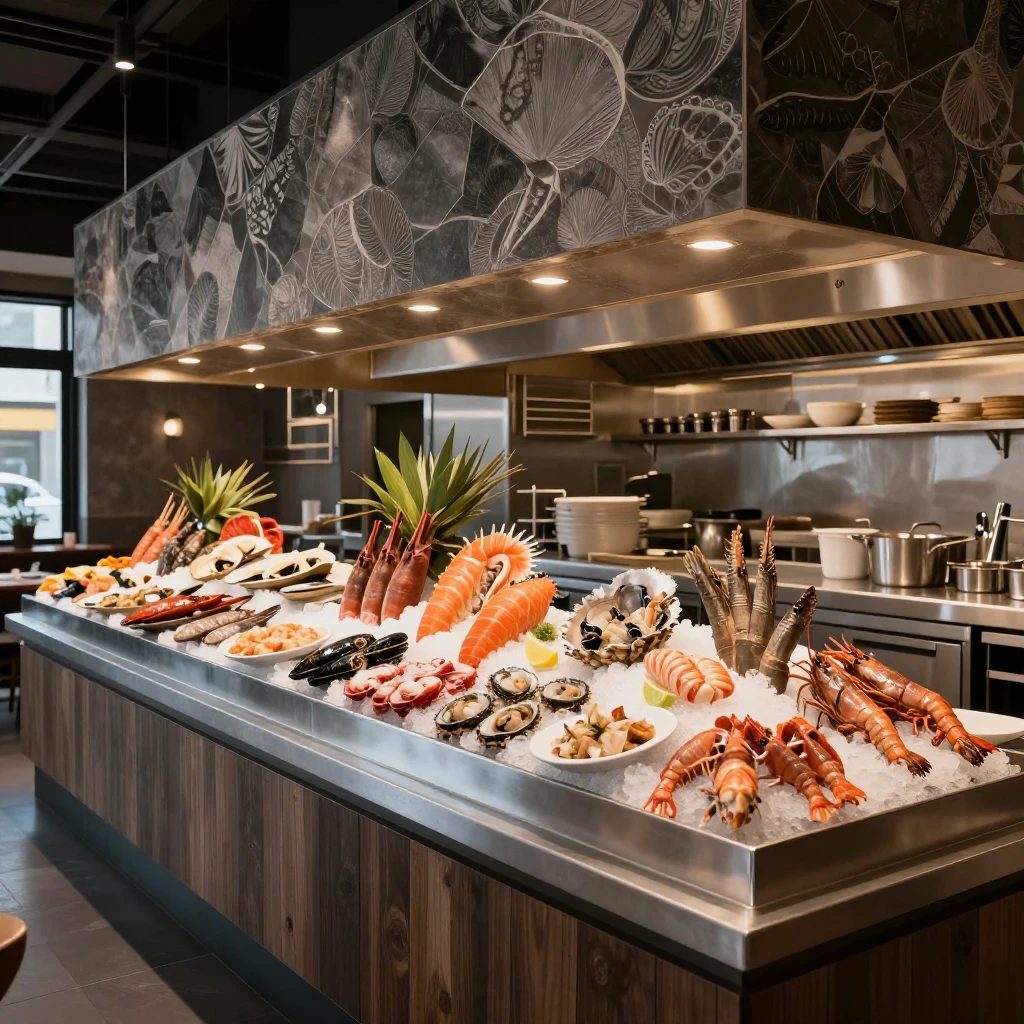
Montreal's always been a city that jumps on culinary innovation, and dry-aged fish fits that pattern perfectly. Throughout 2026, I've watched restaurant after restaurant invest in the specialized gear and training you need to age fish properly. Chefs here are taking cues from Japanese traditions but adding their own spin—it's become this distinctly Montreal version of an ancient technique.
What gets me excited is how accessible this has become for diners willing to try something new. Places like https://www.palomarmtl.ca/ have been leading the charge, showing what happens when you apply proper aging to quality seafood. These spots have built custom aging rooms, partnered with suppliers who understand which fish work best, and basically created a whole new category of dining in the city.
The Montreal seafood world has changed dramatically over the past few years. Chefs aren't just following the playbook anymore—they're testing techniques that challenge what we thought we knew about seafood. Dry-aging fits perfectly into that mindset. It takes skill, patience, and trust in slow processes. Those values resonate here. The result? A dining scene where you can taste things that were basically impossible to find in North America five years ago.
Which Fish Species Work Best for Dry-Aging?
Not every fish can handle dry-aging. Through conversations with chefs (and a lot of tasting on my part), I've figured out that certain species just work better. The ideal candidates tend to be larger fish with higher fat content, firmer flesh, and strong enough flavor to withstand—and benefit from—the aging process.
Tuna's probably the most popular choice, especially bluefin and bigeye. That dense, meaty texture gets even more concentrated as it ages, almost steak-like. Amberjack (hamachi or yellowtail if you're ordering in Japanese) ages beautifully too—its natural richness becomes more pronounced, more complex.
Striped bass has become a favorite among Montreal chefs. It's got this perfect balance of fat and lean meat that transforms really well over time. Halibut, even though it's leaner, can be aged successfully if you're careful with it—develops this unexpected depth and sweetness. I've also seen good results with salmon, black cod, and certain snappers, though those need extra monitoring.
Ideal Aging Times for Different Species
Timing's everything here, and fish is way more sensitive than beef when it comes to how long you age it. Most fish get aged for relatively short periods—typically 3 to 21 days, depending on the species and what outcome the chef's after.
Delicate fish like striped bass might only need 3 to 7 days to develop enhanced flavors without going overboard. Medium-density fish (salmon, amberjack) often hit their sweet spot around 7 to 14 days—umami's intensified but the fish still tastes like itself. Robust, fatty fish like tuna can handle 14 to 21 days or longer, developing these extraordinarily complex flavors that people compare to aged cheese or prosciutto.
The specific timing also depends on what the chef's trying to achieve. Shorter aging enhances and concentrates what's already there. Longer aging creates something entirely new—a product that transcends the original ingredient and becomes its own thing.
The Flavor Profile: What to Expect When Ordering Dry-Aged Fish
If this is your first time trying dry-aged fish, prepare yourself. It's different from any seafood you've had. The first thing that hits most people? The umami intensity. That savory, almost meaty depth is way more pronounced than fresh fish, coating your palate with layers of flavor that keep evolving as you chew.
There's often this nutty quality—not overwhelming, but subtle and intriguing. Like the difference between regular nuts and toasted ones. The fish's natural sweetness becomes concentrated, creating this balance with the savory elements. Some people pick up hints of butterscotch or caramel, especially in fattier fish that's been aged longer.
The texture's equally distinctive. Fresh raw fish can sometimes feel soft, even mushy. Properly dry-aged fish has this firm, almost resilient texture that's seriously satisfying. Denser, meatier, holds together beautifully whether you're eating it raw, seared, or grilled. When cooked, dry-aged fish develops this incredible crust while staying succulent inside—the reduced moisture actually makes it more forgiving, less likely to overcook.
How Chefs Prepare and Serve Dry-Aged Fish
One thing I love about this trend is how it's pushing chefs to showcase the ingredient in ways that highlight all that careful aging. The most common prep I've seen? Serving it raw or barely touched—sashimi, crudo, carpaccio. This lets the enhanced flavors speak for themselves. Maybe just a touch of good olive oil, sea salt, squeeze of citrus. That's it.
Searing works beautifully too. The firmer texture holds up to high heat, and that reduced moisture content means you get an insane crust without overcooking the inside. I've had dry-aged tuna seared for literally seconds on each side—caramelized exterior, rare and cool center. The temperature and texture contrast is stunning.
Grilling's another solid option, especially for thicker cuts. The concentrated flavors can stand up to smoke and char in ways fresh fish can't. Some chefs are even experimenting with curing dry-aged fish further, or building composed dishes around it as the centerpiece, paired with vegetables and sauces that enhance rather than hide what makes it special.
Is Dry-Aged Fish Safe? Addressing Common Concerns
I get the hesitation. We've all been told that fresh fish should be eaten ASAP, so intentionally aging seafood sounds risky. But here's the thing: when done correctly, dry-aged fish is completely safe. In some ways, the controlled aging process makes it safer than 'fresh' fish that's been mishandled somewhere along the supply chain.
Safety comes down to precise environmental controls. Professional aging rooms maintain temps cold enough to prevent harmful bacteria while allowing beneficial enzyme activity to continue. Humidity's monitored constantly to avoid both excessive drying and conditions where dangerous microorganisms could flourish. Air circulation ensures no stagnant pockets develop where problems might start.
Reputable restaurants also start with the highest-quality fish from trusted suppliers—often the same sushi-grade stuff that gets served raw in high-end Japanese spots. The fish gets inspected throughout aging, and any off-odors or visual issues would immediately stop the process. That outer pellicle that develops? Always removed before service.
That said, dry-aged fish should only be eaten at restaurants with proper equipment and trained staff. This isn't a home project unless you really know what you're doing and have the right setup. When you order it at a reputable place, trust that multiple safety protocols have been followed.
Experiencing Dry-Aged Fish in Montreal: What Diners Should Know
If you're ready to explore Montreal's dry-aged fish scene in 2026, here's what I'd suggest based on what I've learned. First, look for restaurants that specifically advertise their dry-aging program—that signals they've invested in proper equipment and training. When you see it on a menu, it's usually listed with the species, aging duration, sometimes the prep method.
Expect to pay more. Dry-aged fish costs more than fresh for good reasons: the starting quality has to be exceptional, there's significant weight loss during aging (sometimes 10-20%), the process needs specialized equipment and expertise, and the aging time ties up storage space. In Montreal, you're looking at $30 to $60 or more per dish, depending on species and preparation.
Don't be shy about asking questions. Which fish are they aging right now? How long? How does the chef recommend trying it for the first time? Most restaurants passionate about dry-aging love talking about their process and guiding first-timers. If you're new to this, I'd start with moderately aged fish (7-10 days) prepared simply as sashimi or crudo so you can really taste the difference.
For drinks, I've found dry-aged fish pairs incredibly well with sake—particularly fuller-bodied junmai styles that can match the fish's intensity. White Burgundy and other complex, mineral-driven whites work beautifully too. The enhanced umami creates these fascinating interactions you just don't get with fresh seafood.
As Montreal's dining scene keeps evolving, I'm confident dry-aged fish will shift from novelty to staple. This isn't a trend—it's a genuine expansion of what's possible with seafood. Whether you're a longtime seafood lover or someone looking to push your boundaries, I'd encourage you to seek this out. The flavors, textures, and creativity on display in Montreal's dry-aged fish scene capture everything I love about how this city approaches food: respectful of tradition, unafraid of innovation, and always—always—delicious.